


Bank of England Warns: Inflation Headed to New High - British Economy at Risk
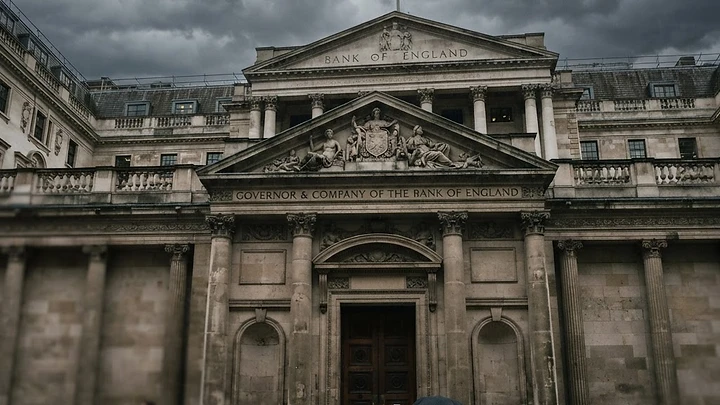
Turmoil in the financial markets: The Bank of England leaves interest rates unchanged but issues a stark warning regarding an inflationary surge that could lead Britain into a deep economic crisis by early 2026.

Ronen Abergel — The Hair Artists
ספר אמן בטורונטו · לקביעת תור: התקשרו עכשיו
The British economy stands at a dangerous crossroads, as the Bank of England (BoE) released a severe warning today that has shaken the foundations of the financial markets. While the bank's decision to leave interest rates unchanged was somewhat expected, the accompanying forecast stunned analysts: inflation is projected to cross the 4% threshold as early as the beginning of next year.
Was the writing on the wall?
Bank Governor Andrew Bailey did not attempt to sugarcoat the reality. In his remarks, he clarified that inflationary pressures are not as transitory as many had hoped, but are deeply rooted in the current economic structure. "We are facing a period of extreme uncertainty," Bailey declared, hinting that the monetary tools at the bank's disposal are becoming increasingly limited in the face of soaring living costs.
The British public pays the price
For the average British citizen, this is bitter news. Prices for food, energy, and housing are already at multi-year highs, and the new forecast signals further erosion of purchasing power. Experts warn that if the bank's forecast materializes, many families will find themselves unable to meet their financial obligations, which could lead to a wave of personal bankruptcies.
Criticism of government policy
This economic drama is unfolding against a backdrop of rising political tension in London. Critics argue that the government has failed to take the necessary steps to curb public spending, leaving the central bank to fight the battle against inflation alone. "The bank is trying to put out a fire with a cup of water, while the government continues to pour fuel on it," said one senior economist in the City of London.
Global implications
The British crisis does not remain within the borders of the British Isles. The global economy, still trying to recover from the shocks of recent years, is watching events in London with trepidation. If Britain enters an inflationary recession, the impact on capital markets in Europe and the United States will be immediate and painful. Investors have already begun to flee to safer assets, signaling a growing lack of confidence in the kingdom's economic stability.
What is the next step?
The big question remaining is whether the central bank will be forced to hike interest rates sharply in the coming months, despite the risk of a severe economic slowdown. Bailey refrained from committing to a specific move, but the hints are clear: fighting inflation is the top priority, even if the price is extremely painful for the real economy. The coming weeks will be critical, and the eyes of the entire world are fixed on London.






תגובות (0)
אין עדיין תגובות. היה הראשון!